Roofing Solutions to Keep Blue Light Estates Operational
Authored by
David Campos
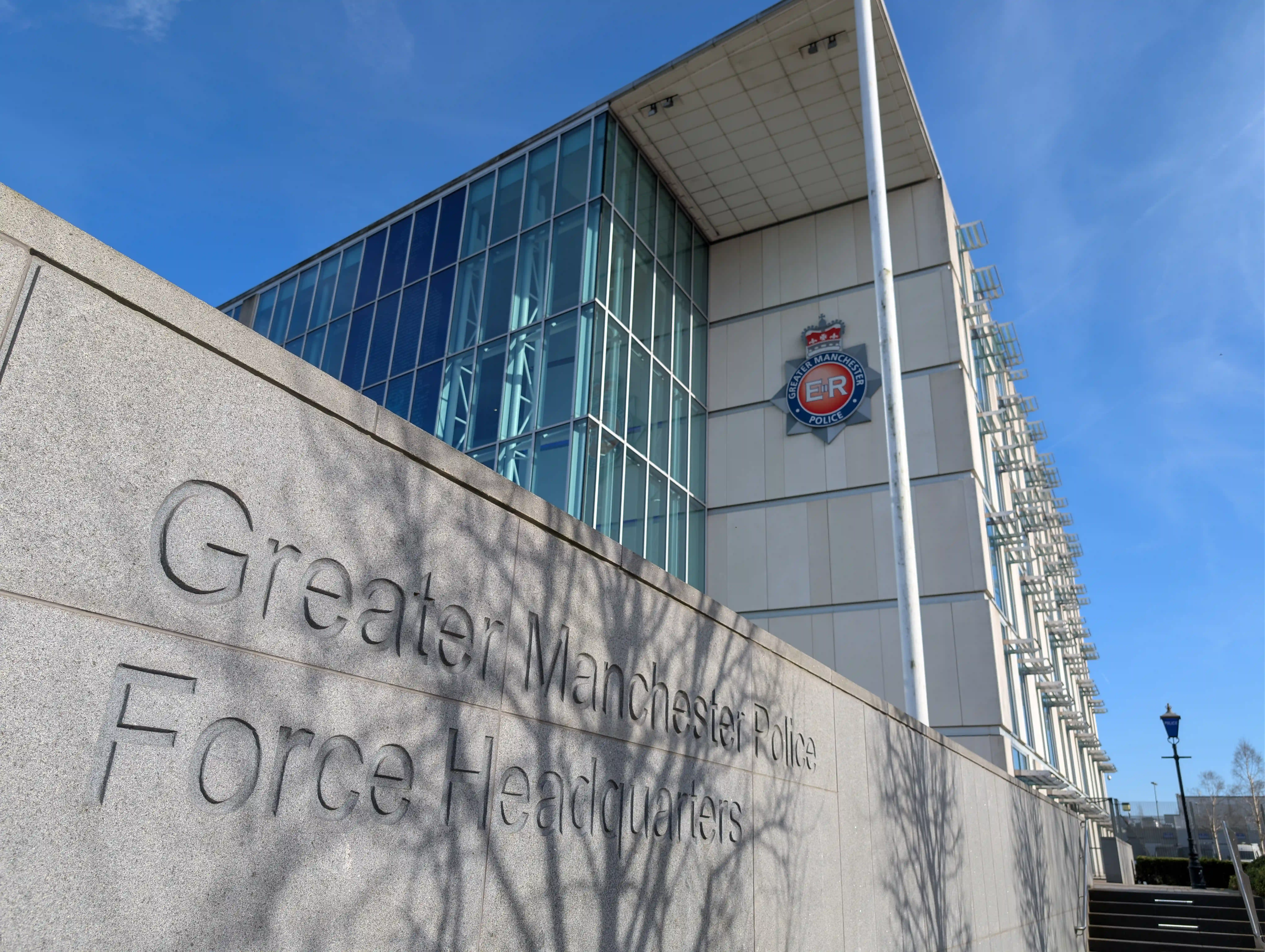
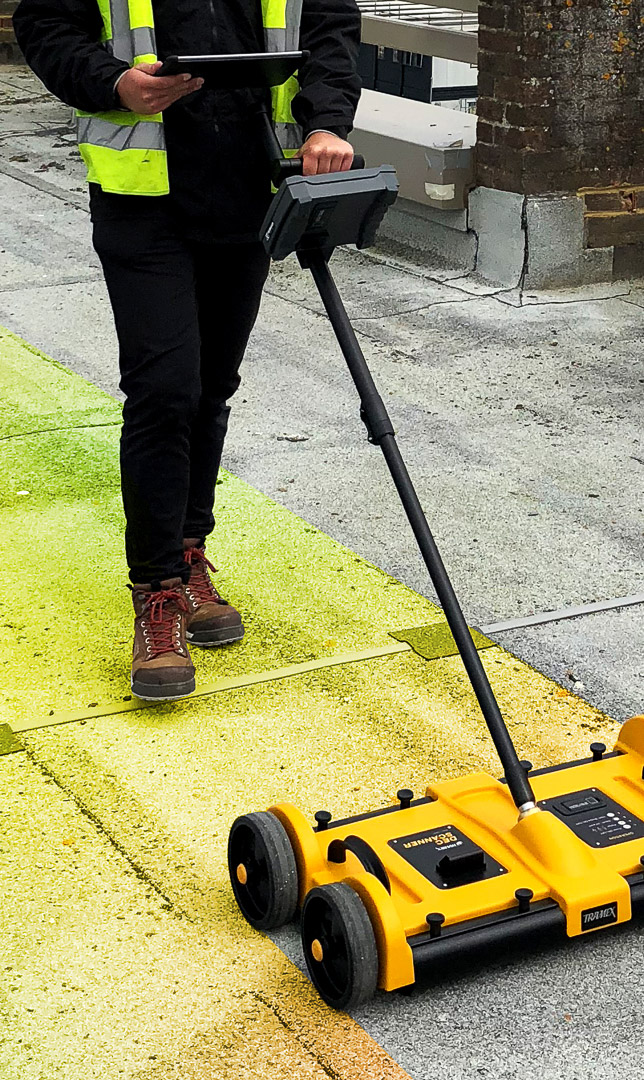
Keeping blue light estates operational while the roof is worked on is a planning problem before it is a roofing one. In the fast-paced world of emergency services, maintaining uninterrupted operations isn’t just important, it’s mission-critical. Surveyors, estates managers, and facilities managers responsible for blue light estates face a unique set of challenges. From managing ageing infrastructure to ensuring the safety of life-saving equipment, every decision has a direct impact on operational readiness and public safety. This article explores the latest roofing solutions designed to minimise disruption, reduce costs, and keep your facility operational 24/7, providing insights to help you make informed decisions for your essential buildings.
The challenge lies in ensuring these essential services continue without disruption, even when the inevitable need for building maintenance arises. Roofing, in particular, poses a significant challenge. Leaks, wear and tear, and other issues can threaten the operational efficiency of these facilities, potentially compromising emergency response times and, by extension, public safety. Furthermore, the integrity of a building’s roof is critical not just for protecting equipment and vehicles but also for providing a safe and comfortable working environment for the dedicated professionals who operate within these spaces.
This article will explore the latest building envelope solutions that reduce disruption, making them perfectly suited to blue light estates. Whether you’re responsible for overseeing a fire station, police precinct, or lifeboat station, this guide will provide you with the insights needed to make informed, cost-effective decisions that protect both your facilities and the crucial services they support.
Common Roofing Project Issues That Can Disrupt Operations
Managing a roofing project in blue light estates involves navigating several challenges that, if not properly handled, can disrupt the essential services these facilities provide. Understanding these challenges upfront helps in selecting the right solutions and contractors to ensure minimal impact on day-to-day operations.
Water Ingress, Preventing Damage to Critical Equipment
Leaks are not just an inconvenience; they can compromise essential equipment, communication systems, and even emergency vehicles. Water ingress can also lead to structural damage if not addressed promptly. For blue light estates, where downtime is not an option, preventing water ingress should be a top priority during any roofing refurbishment and scheduling regular roof inspections and maintenance is advised.
Managing Noise and Disruption During 24/7 Operations
Emergency service facilities operate around the clock, and excessive noise from roofing projects can be disruptive to personnel and operations. Whether it’s the distraction of heavy machinery or the inability to hear emergency calls, noise must be managed carefully, especially in environments where quick response times are critical.
Dust, Debris, and Their Impact on Health and Safety
Roofing projects can produce significant dust and debris, posing a health risk and interfering with sensitive equipment, such as communications gear or medical supplies. Ensuring that work is carried out with effective containment measures is vital to maintaining the cleanliness and safety of these critical environments.
Choosing Between Patch Repairs and Full Refurbishments
While patch repairs might seem like a quick fix, they are often temporary solutions. In high-stakes environments like fire stations and ambulance services, recurring repairs can lead to continuous disruptions. Investing in a full roof refurbishment, particularly one with a long-term guarantee, will ensure the roof remains intact and reliable, avoiding future operational setbacks.
Odour and Fumes- Mitigating Health Risks
Some roofing materials and installation processes can emit strong odours or fumes, which may pose health risks to staff or affect working conditions. Opting for odour-free and solvent-free systems can be a safer and more considerate choice, particularly in environments where personnel are on duty 24/7.
Access and Scaffolding
The logistics of accessing the roof, including the placement of scaffolding and equipment, can disrupt the flow of operations, especially in emergency response facilities where clear access is needed at all times. Working with contractors who understand how to minimise obstruction is crucial. Phased work plans can allow for uninterrupted vehicle and personnel movement.
System Choices, Ensuring Minimal Disruption
Selecting the right roofing system is essential to keeping operations running smoothly during refurbishment projects. For blue light estates, certain systems stand out for their ability to minimise disruption:
Zero Solvent / Flame-Free Systems
Traditional flat roofing systems often involve solvents or heat-based installations, which can introduce additional risks and disruptions. Opting for solvent-free or flame-free systems not only enhances safety but also reduces the need for evacuation or operational pauses during installation. Systems like low odour and solvent-free liquid-applied coatings or self-adhesive bituminous membranes provide reliable waterproofing without compromising safety or daily operations.
Phased Work Planning
A well-executed phased approach to roofing can make all the difference in ensuring uninterrupted service. Disruptions can be minimised by carefully coordinating each phase of the project, whether that involves working on one section of the roof at a time or conducting installations outside peak operational hours. This is especially important in high-pressure environments like fire or ambulance stations, where constant readiness is required.
- Work in off-peak hours to avoid interrupting daily operations
- Divide the roof into sections and work on one area at a time.
- Communicate with all stakeholders regularly to keep operations smooth.
Lifecycle Costing for Long-Term Value
One of the key considerations in choosing a roofing system is its long-term value. Lifecycle costing allows facilities managers to weigh the initial investment against the system’s total cost over its lifespan. For instance, single-ply systems may have lower upfront costs, but they often require more frequent maintenance and replacements.
Multi-layer systems, such as those offered by Garland UK, come with long-term guarantees that significantly reduce the need for ongoing maintenance. For managers looking at lifecycle costs, this means fewer disruptions, lower repair costs, and extended durability, ultimately offering long-term savings while keeping your emergency services operational.
More Blogs
Garland UK 2025 Sustainability Report
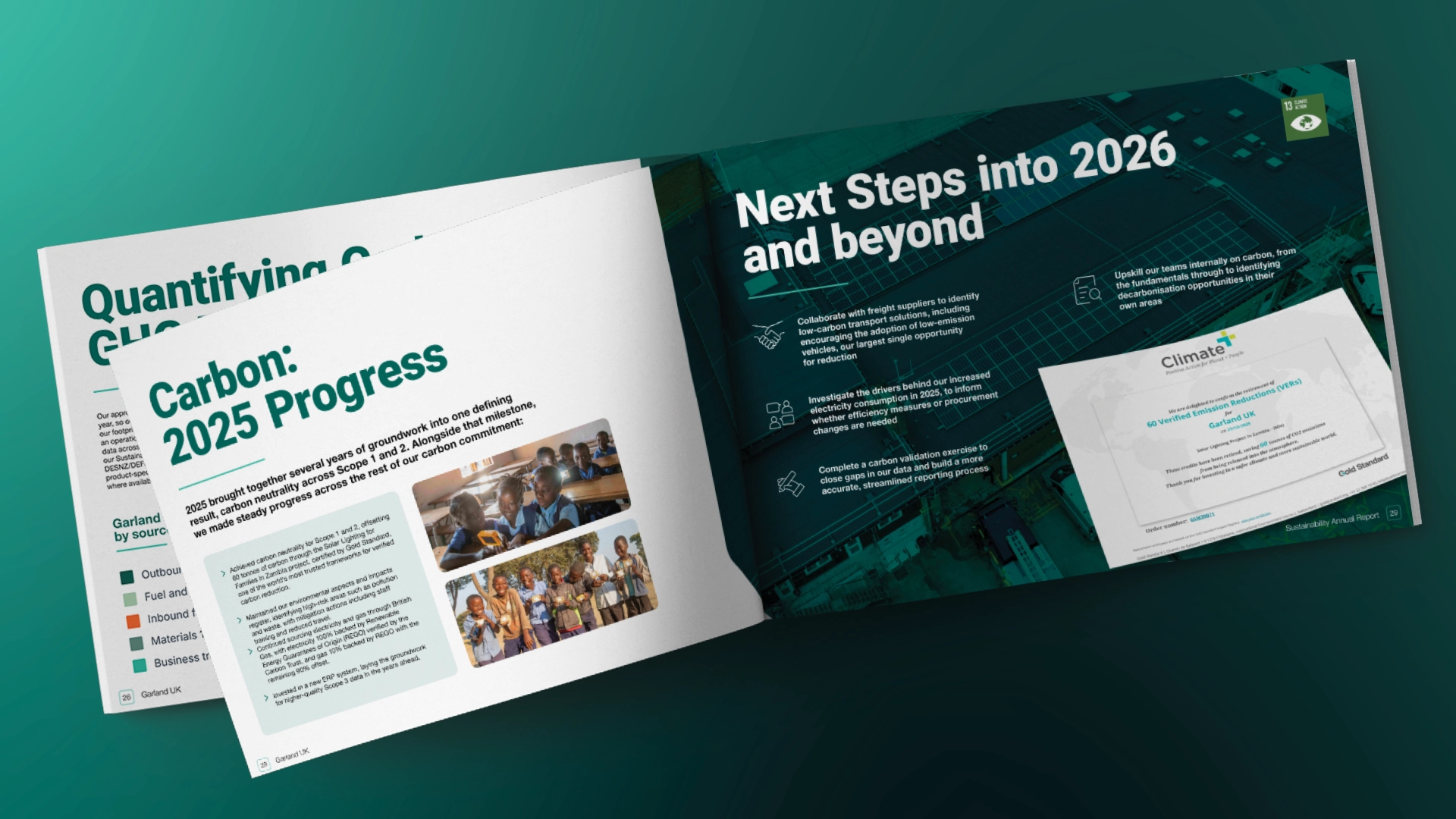
Garland UK is proud to publish its third annual Sustainability Report, marking a defining milestone in our journey towards net zero…
Garland UK Achieves Scope 1 and 2 Carbon Neutrality
Garland UK has reached a major milestone in its sustainability journey, achieving carbon neutrality across Scope 1 and 2 emissions for the first time…
25 Years of Garland UK: Built on Opportunity, Ownership and Service
A significant milestone for Garland UK as we celebrate 25 years of delivering roofing and building envelope solutions across the United Kingdom…