Benefits of a solar PV system
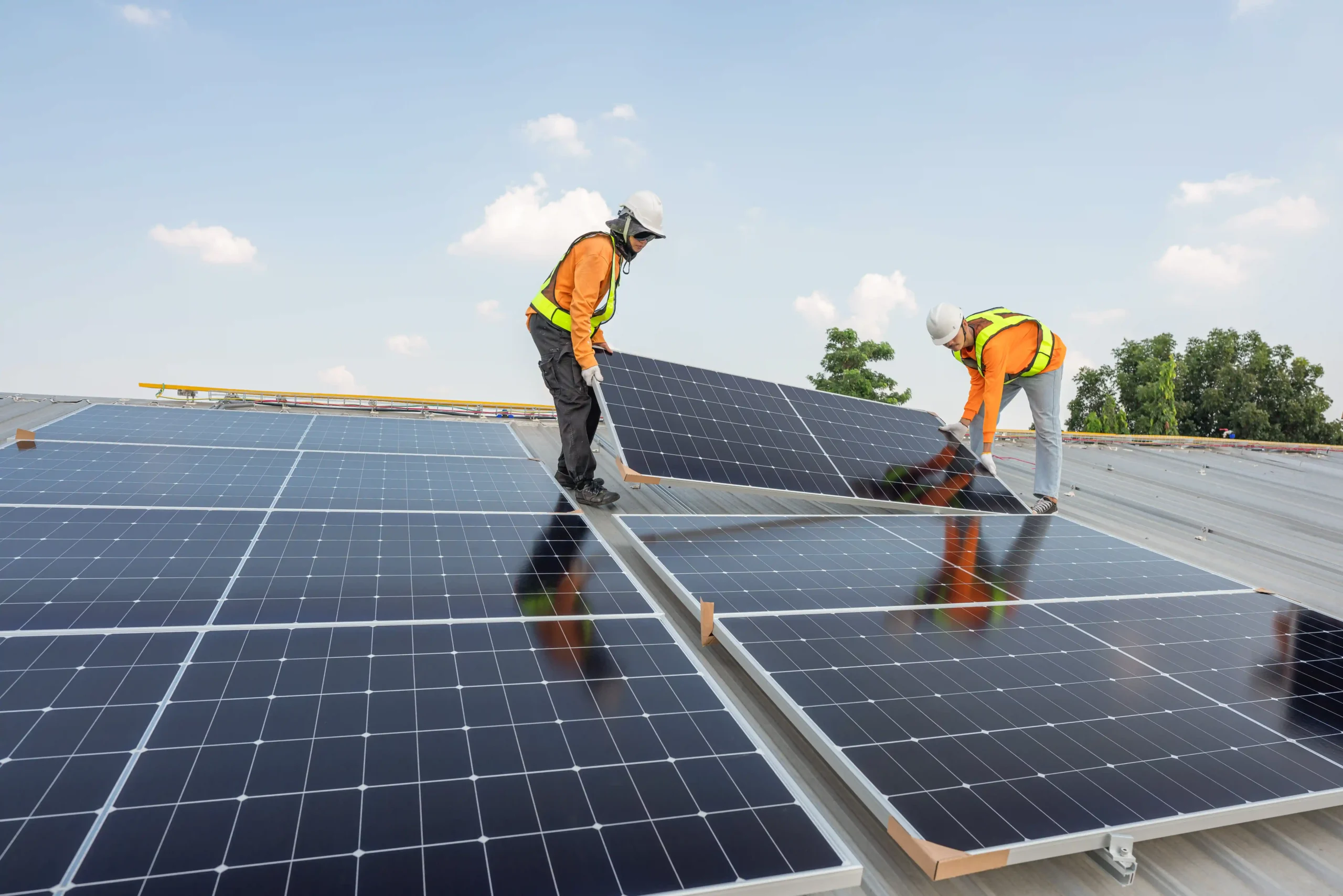
Powering your building with solar PV systems will positively impact the environment by using fewer fossil fuels and reducing reliance on the National Grid.
Further benefits include:
- Cut your electricity bills
- Reduce your carbon emissions
- Increase your property value
- Fast return on investment
- Payback in as little as 4 years
- Operational leasing available
- Low maintenance
- Quick installation
How much energy is generated from a Solarise system?
This will depend on several factors, such as the geographical location, orientation and roof pitch. Your dedicated Technical Manager will carry out detailed surveys and PV yield analysis reports to calculate your Solarise installation’s expected energy savings and financial benefits.
What type of maintenance does Solarise require?
Solar panels are generally self-cleaning, especially if positioned at an angle of over 15 degrees. We advise that Solarise systems be visually inspected once a year and cleaned if necessary to ensure they perform to their best.
Do I need a south-facing roof?
While the south-facing roof is preferred, north, east, or west-facing roofs can absolutely still benefit thanks to our extensive range of available frames, mounts, and fixings. This means that the Solarise system can be installed on any roof orientation and still achieve electricity generation targets.
Which roof systems are compatible with Solarise?
The bespoke frame and mounting options ensure the Solarise system can be installed on any Garland UK waterproofing system, regardless of whether the roof is flat or pitched. This includes bituminous membranes, metal profiles, cold-applied liquid coatings, or green roof systems!
Roofing Expertise at Your Fingertips
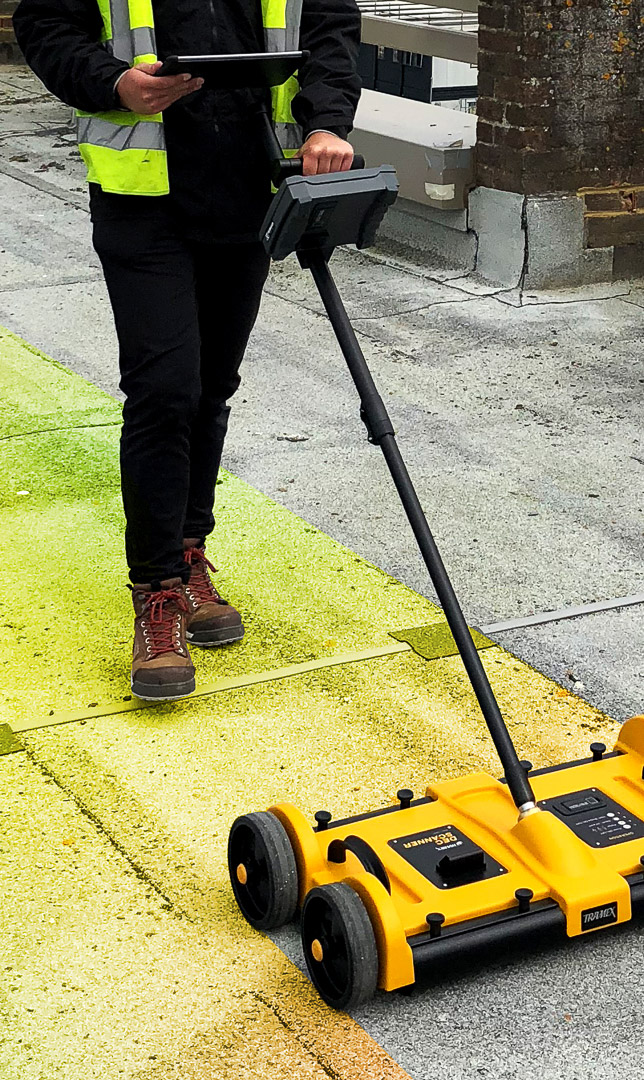
Our Technical Managers will work with you to conduct a detailed survey of your building, creating a tailored report that accurately calculates the energy-saving and financial benefits of your Solarise installation. Want to see how a Solarise system can reduce your building’s energy costs and operational carbon emissions?